KO Pharma Research product listings for qualified laboratory research customers. Orders are accepted only from verified research institutions. Vial images are illustrative mockups, not photographs of actual inventory.
01 / RESEARCH CATALOG
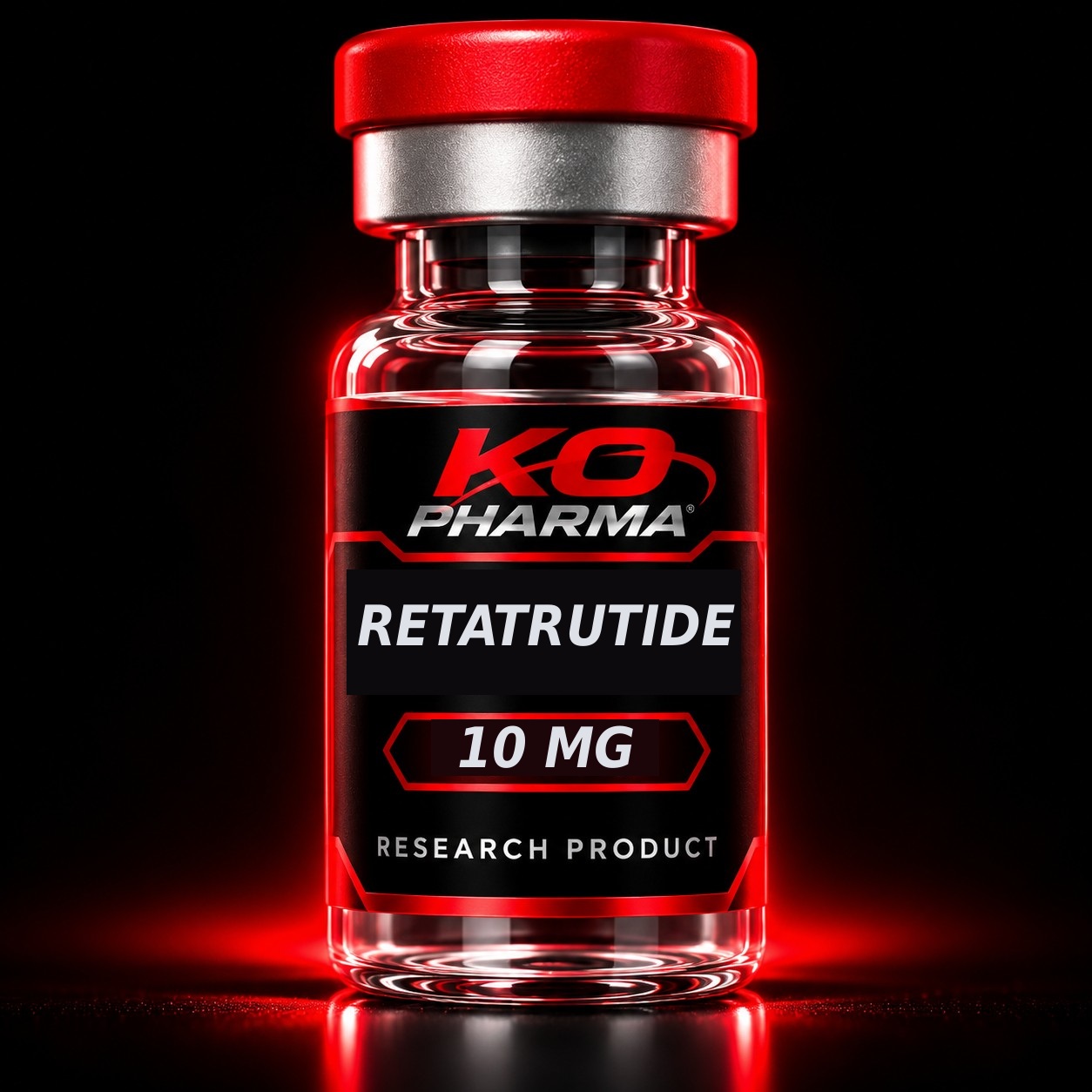
Retatrutide
10 mg • Laboratory research listing
$80.00
02 / RESEARCH CATALOG
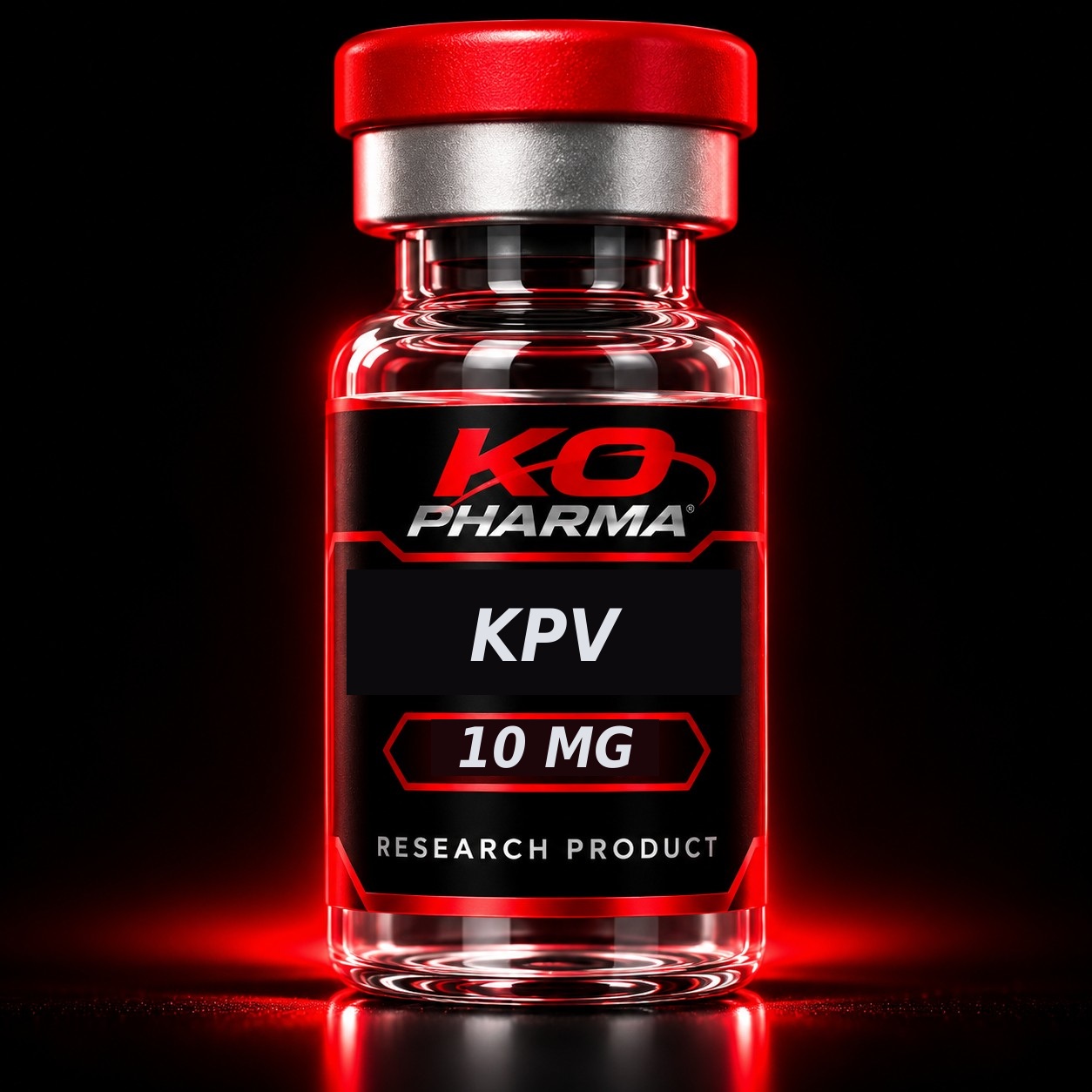
KPV
10 mg • Laboratory research listing
$70.00
03 / RESEARCH CATALOG
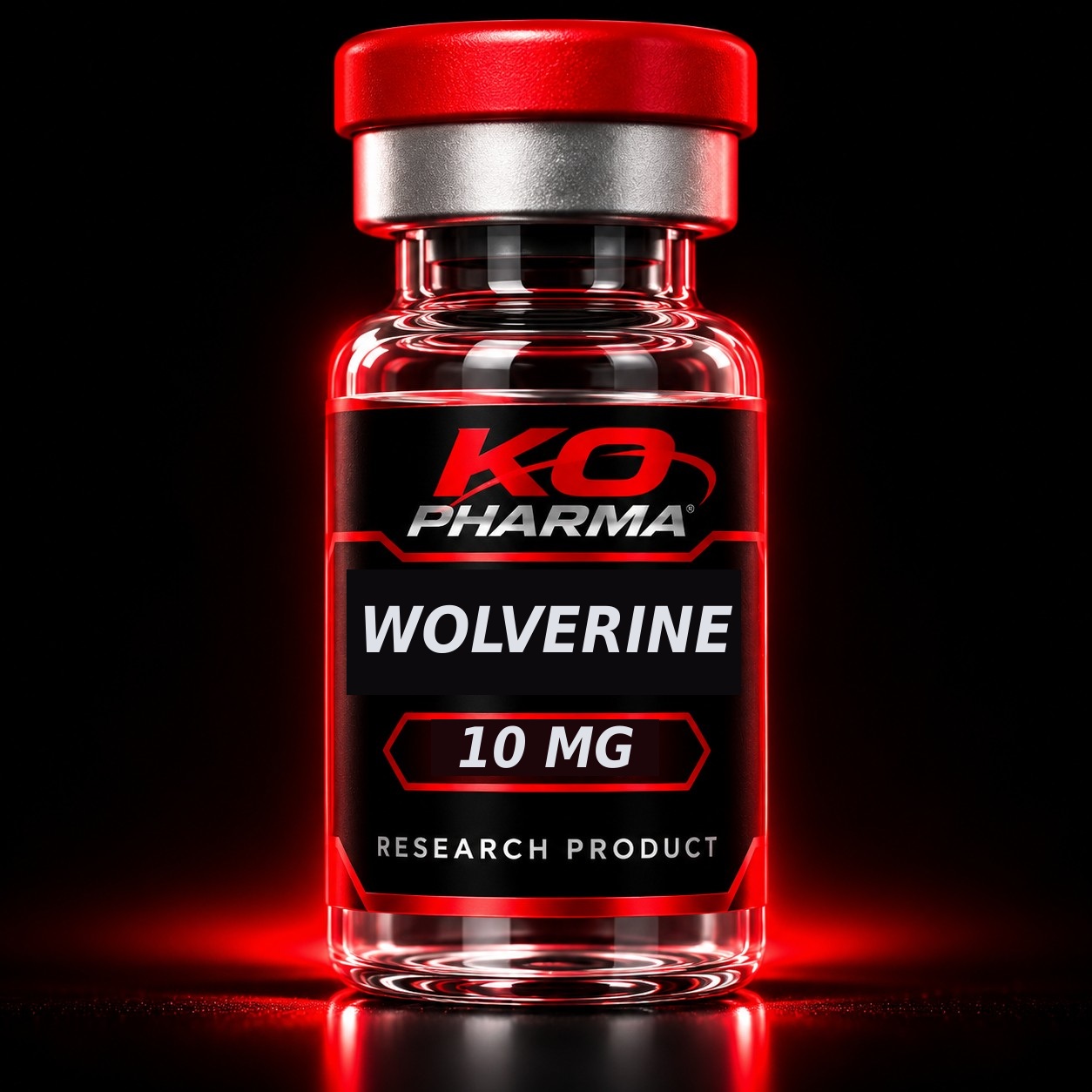
Wolverine
10 mg • Laboratory research listing
$100.00
04 / RESEARCH CATALOG
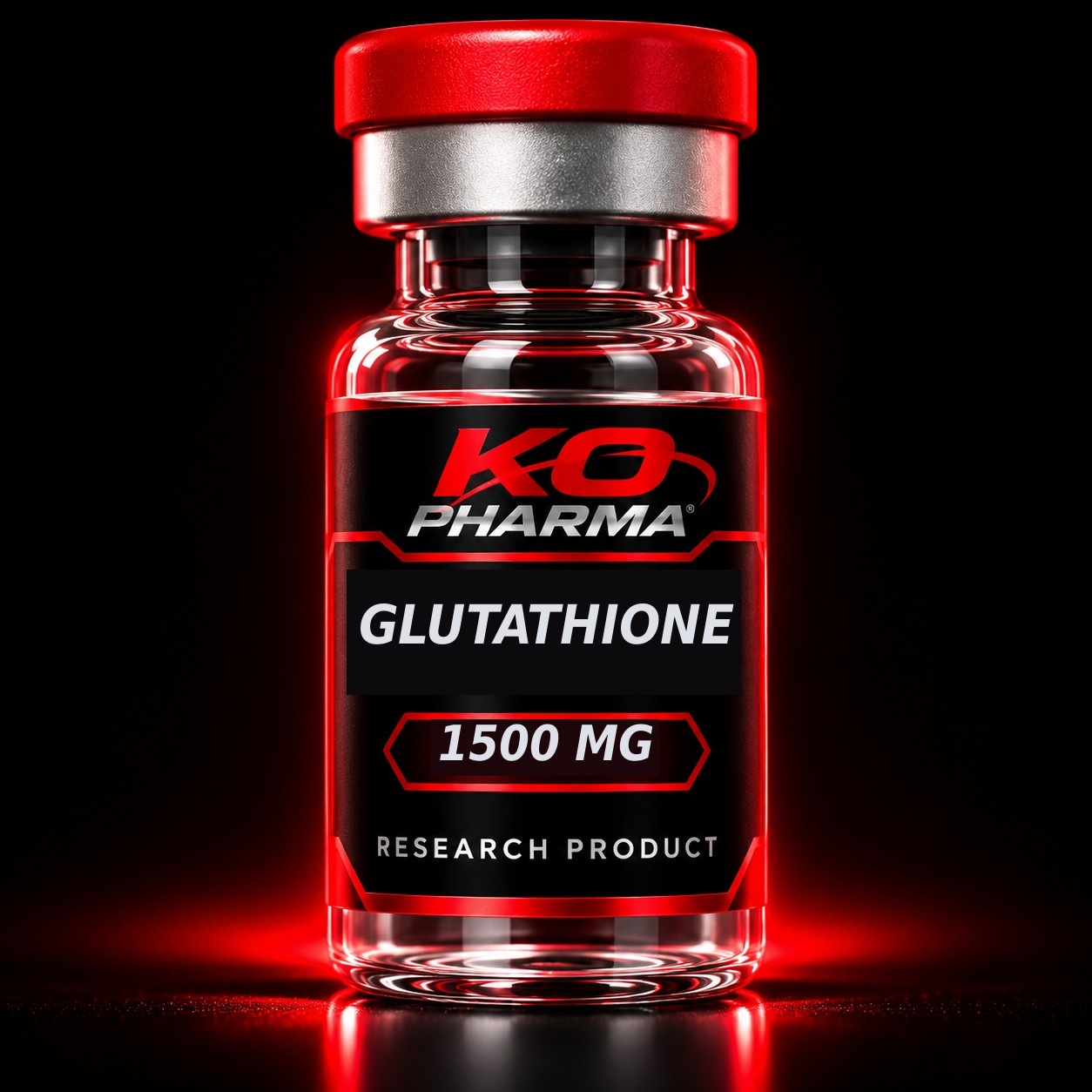
Glutathione
1500 mg • Laboratory research listing
$60.00
05 / RESEARCH CATALOG
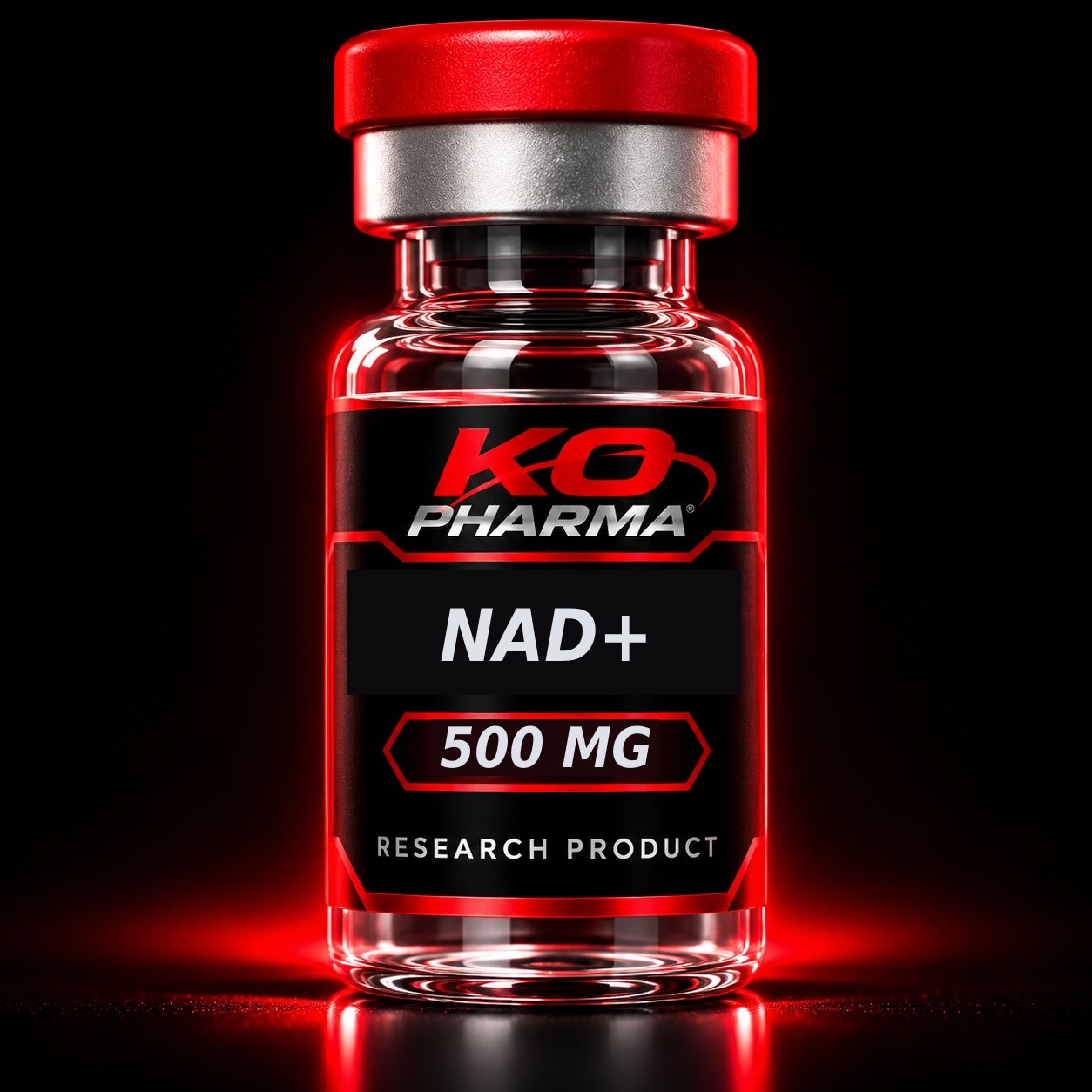
NAD+
500 mg • Laboratory research listing
$60.00
06 / RESEARCH CATALOG
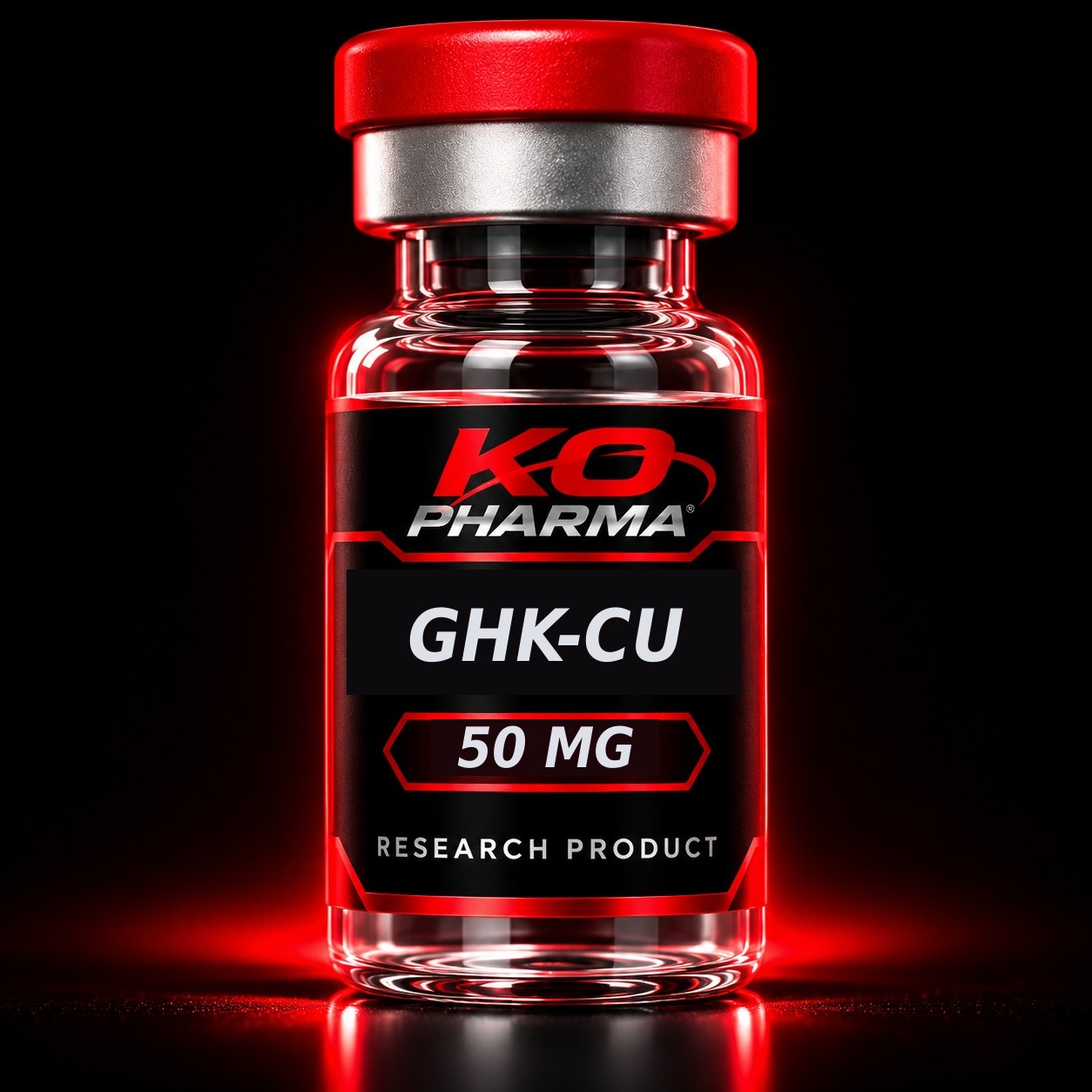
GHK-Cu
50 mg • Laboratory research listing
$50.00
07 / RESEARCH CATALOG
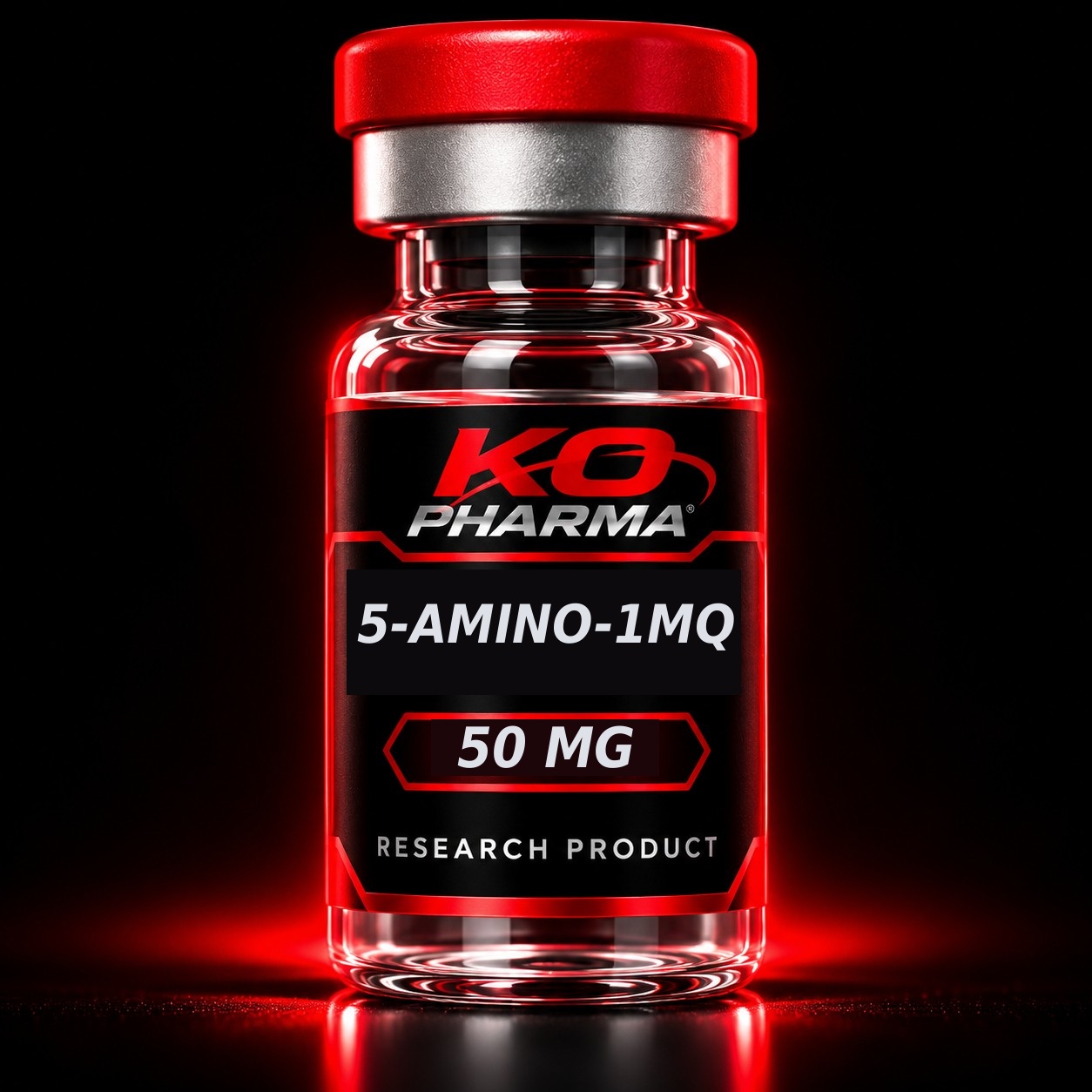
5-Amino-1MQ
50 mg • Laboratory research listing
$50.00
08 / RESEARCH CATALOG
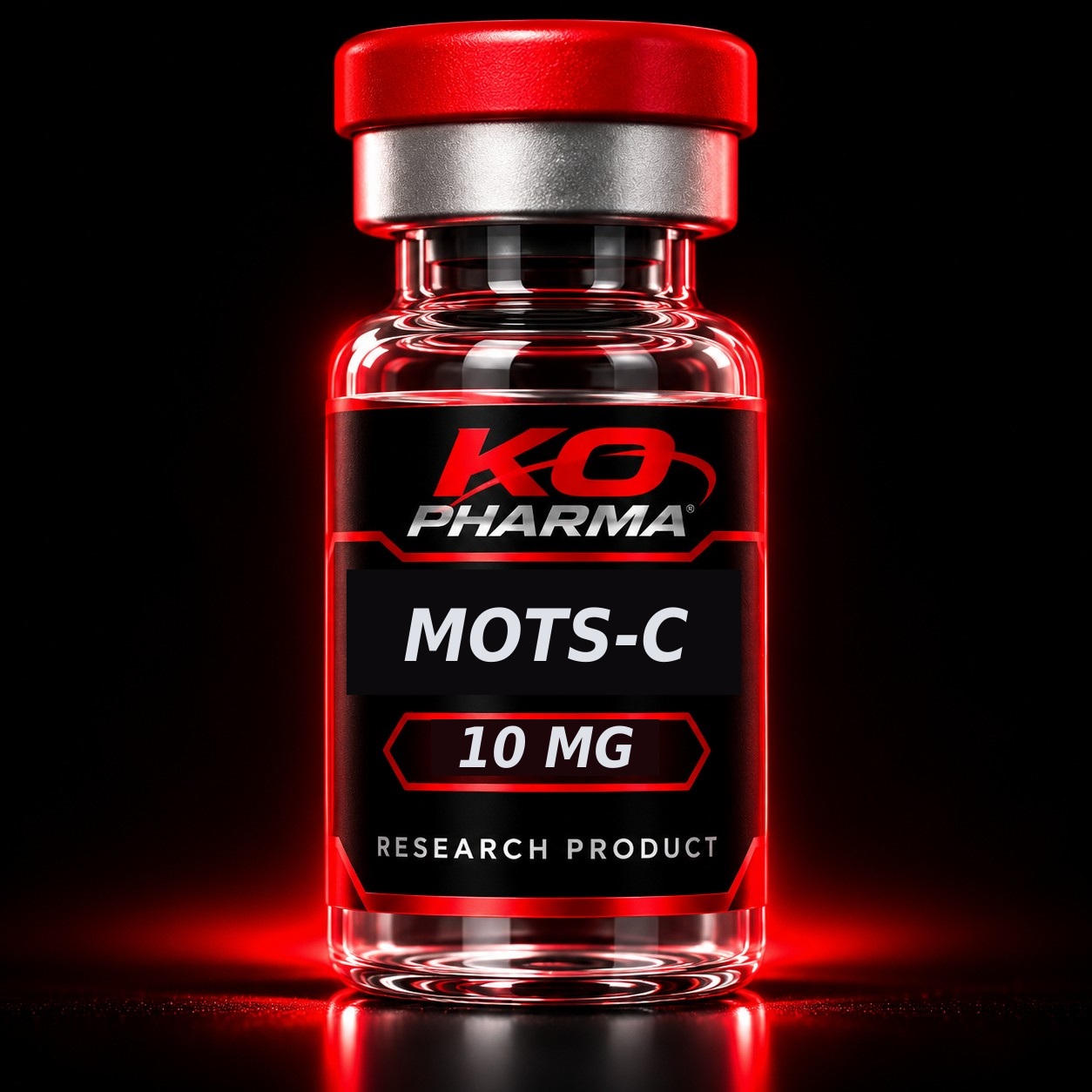
MOTS-C
10 mg • Laboratory research listing
$60.00
09 / RESEARCH CATALOG
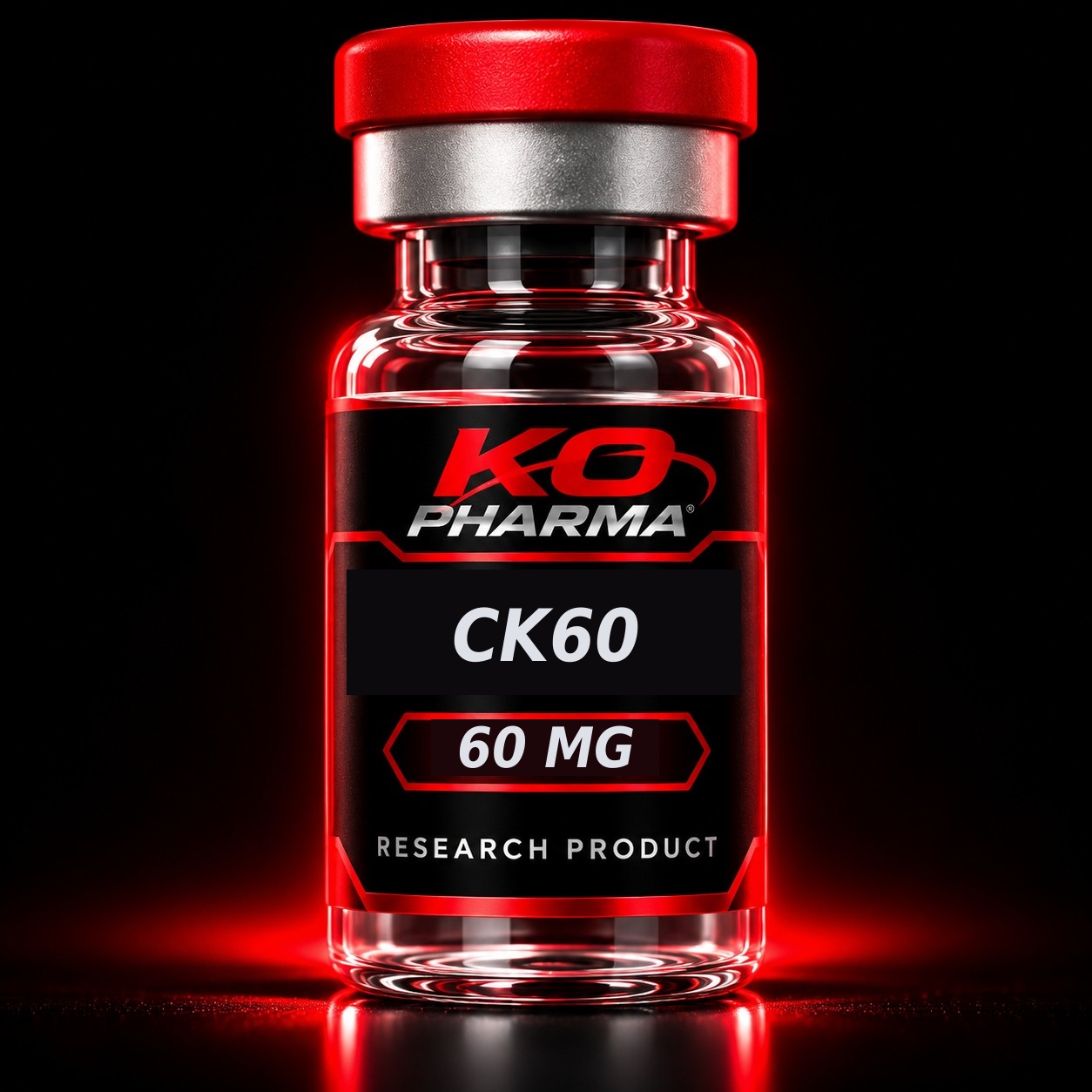
CK60
60 mg • KPV + GHK-Cu blend
$70.00
10 / RESEARCH CATALOG
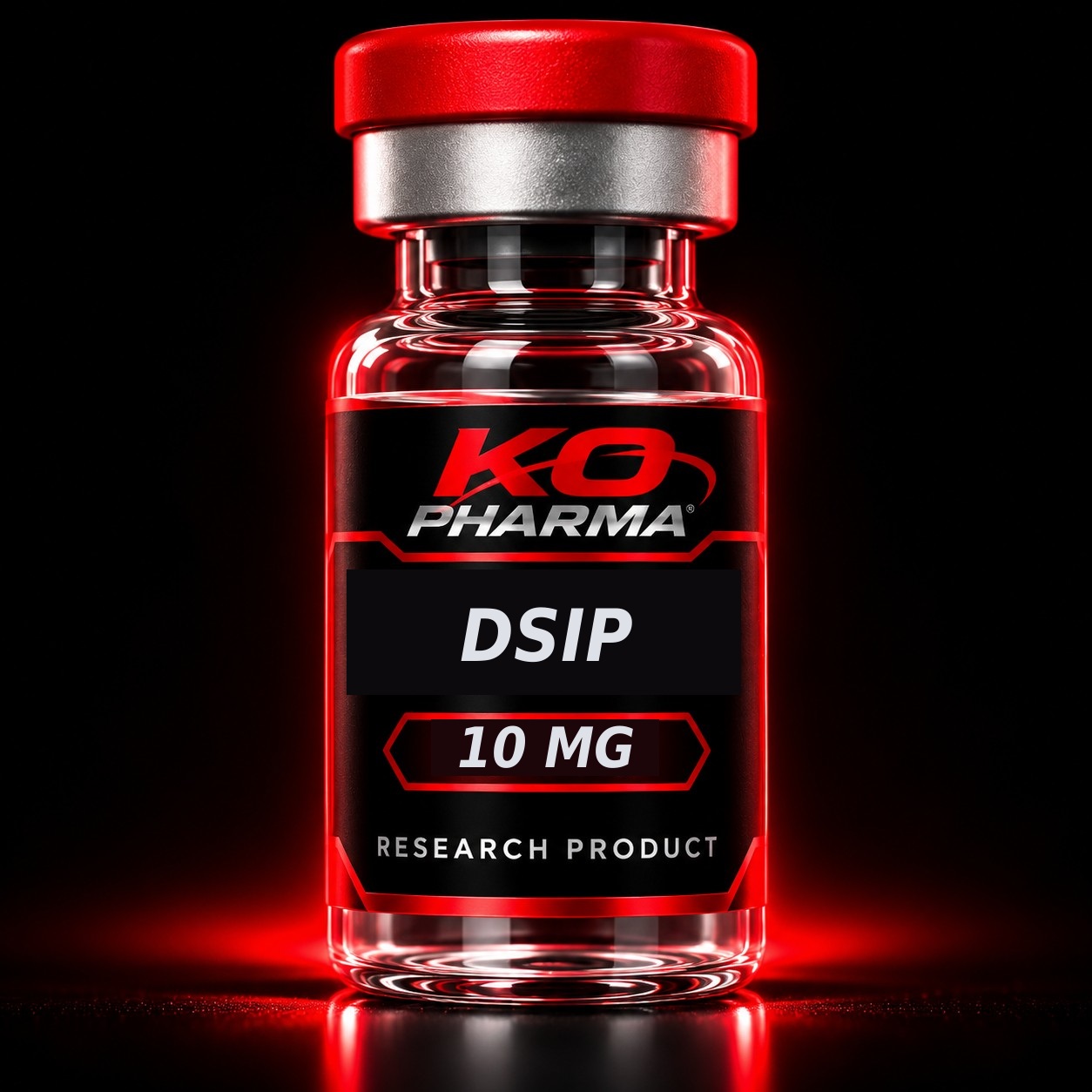
DSIP
10 mg • Laboratory research listing
$40.00
11 / RESEARCH CATALOG
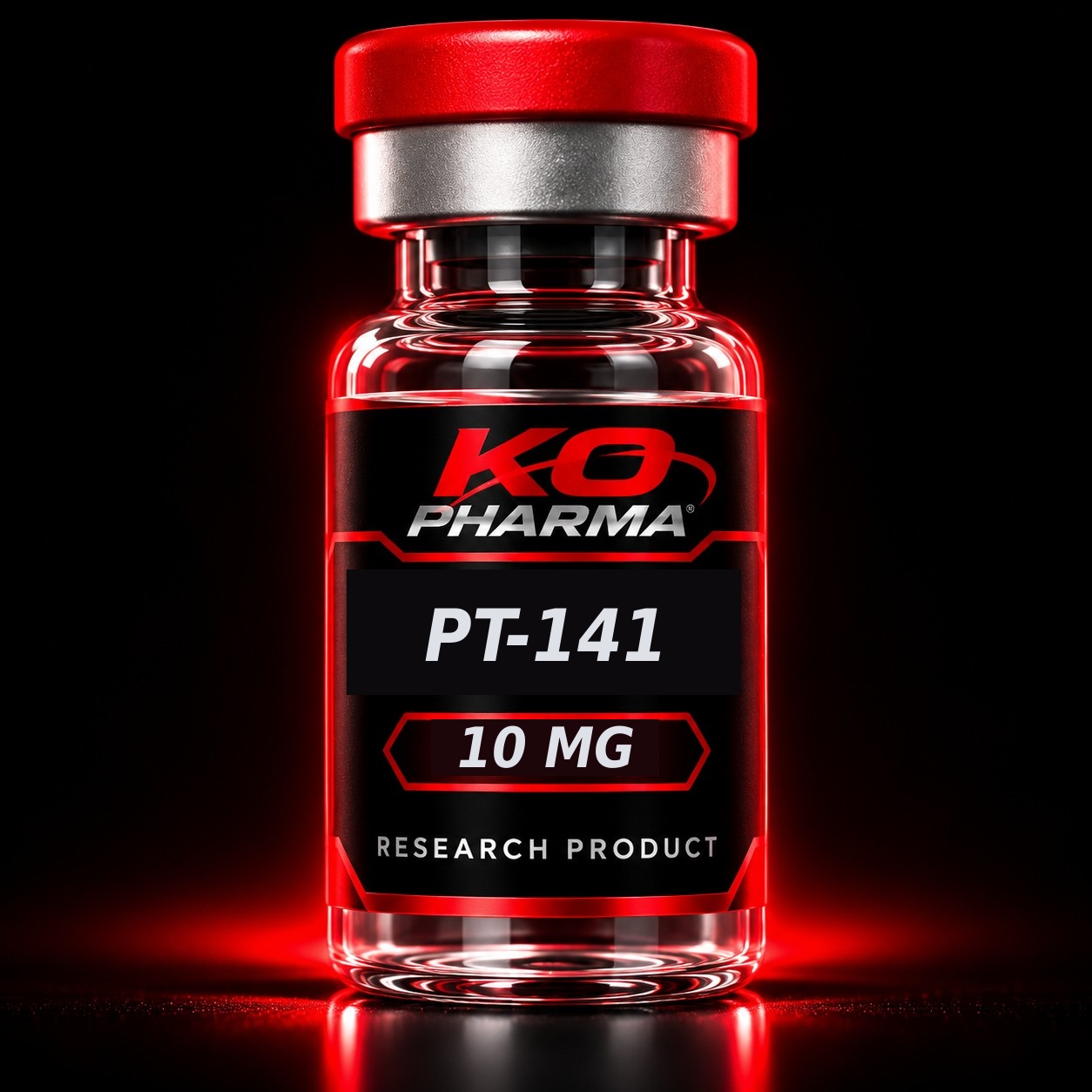
PT-141
10 mg • Laboratory research listing
$40.00
12 / RESEARCH CATALOG
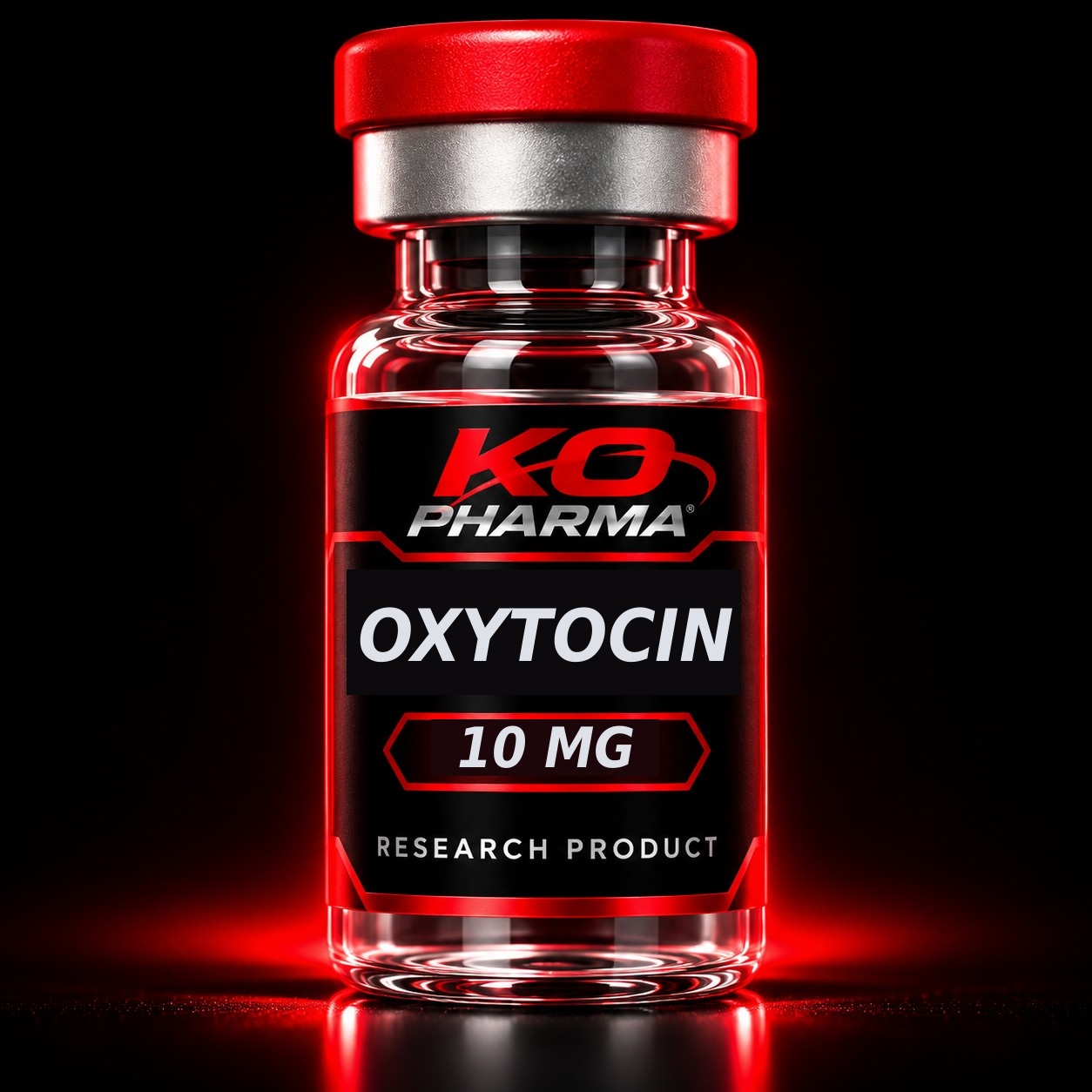
Oxytocin
10 mg • Laboratory research listing
$40.00
KO PHARMA
Research access
This catalog is intended for adult visitors reviewing laboratory research compounds.
ABOUT
Retatrutide is a synthetic peptide in development as a once-weekly injection for obesity and related metabolic conditions. It activates three metabolic hormone receptors at once: GIP, GLP-1, and glucagon. Adding the glucagon target sets it apart from approved dual-receptor obesity drugs. Retatrutide remains investigational and is not approved by any health authority. There is no legitimate prescription supply; products sold outside authorized clinical trials may be unapproved and of unverified purity.
COMMON USES BEING STUDIED
These are research areas, not approved medical uses or established benefits.
Weight loss and obesity
Type 2 diabetes and glycemic control
Liver fat reduction in metabolic dysfunction-associated steatotic liver disease (MASLD)
Obstructive sleep apnea in people with obesity
Knee osteoarthritis symptoms alongside weight loss
Body-composition changes (reported off-label interest, not an approved use)
QUICK FACTS
Category: Investigational metabolic peptide
Targets: GIP, GLP-1 and glucagon receptors
Regulatory status: Not FDA-approved
Human use: Only within authorized clinical trials
DISCLAIMER
For laboratory research information only. Not for human or veterinary use. This page is not medical advice and does not establish safety, effectiveness, or permission to sell or administer retatrutide.
ABOUT
KPV is a tripeptide made up of lysine, proline, and valine. It corresponds to the last three amino-acid residues of alpha-melanocyte-stimulating hormone (alpha-MSH). KPV is being investigated for anti-inflammatory activity, particularly in experimental models involving the gut and skin. It is not an approved medicine, and its safety and effectiveness in people have not been established.
COMMON RESEARCH AREAS
These are experimental research topics, not approved uses or proven benefits.
Gut inflammation models, including ulcerative colitis and Crohn's disease
Intestinal irritation and inflammatory signaling
Inflammatory skin-condition models, including eczema and psoriasis
Combination research involving BPC-157; clinical safety and effectiveness of combinations are unestablished
QUICK FACTS
Category: Experimental anti-inflammatory peptide research
Sequence: Lys-Pro-Val (KPV)
Research focus: Gut, skin, and inflammatory signaling
Regulatory status: Not FDA-approved for treating any condition
DISCLAIMER
For laboratory research information only. Not for human or veterinary use. KPV has no established clinical dosing, safety, or efficacy for the conditions listed. This information is not medical advice.
ABOUT
CK60 is a research blend pairing GHK-Cu, a copper-binding tripeptide, with KPV, the Lys-Pro-Val fragment of alpha-MSH. GHK-Cu has been studied for skin-related processes, including extracellular-matrix remodeling and wound-repair signaling. KPV has been investigated for effects on inflammatory signaling in experimental models. Research on the combined formulation is limited; its safety and effectiveness in humans have not been established. Topical GHK-Cu has cosmetic applications, but this does not establish the safety of an injectable blend.
COMMON RESEARCH AREAS
The following are research topics and proposed applications, not proven or approved medical uses.
Skin texture, firmness, and appearance of fine lines
Inflammatory signaling in experimental skin-condition models
Skin responses following cosmetic procedures, such as laser treatments or microneedling
Scar remodeling and soft-tissue repair mechanisms
QUICK FACTS
Category: Experimental skin and inflammation research
Research focus: Skin, cosmetic biology, inflammatory signaling, and tissue remodeling
Regulatory status: The CK60 blend is not FDA-approved for medical use
DISCLAIMER
For laboratory research information only. Not for human or veterinary use. No established clinical dosing, safety, or effectiveness exists for this blend, and the research areas listed are not treatment recommendations.
ABOUT
Wolverine Stack is a community name for combining BPC-157 and TB-500 in experimental soft-tissue and injury-recovery research. BPC-157 is a synthetic peptide studied in preclinical models of tissue healing, while TB-500 is associated with thymosin beta-4-related research on cell movement and tissue repair. Some research vendors offer premixed formulations. Neither peptide is an approved medicine, and reliable human evidence for the combination's safety and effectiveness is lacking. Both substances are prohibited in sport under applicable anti-doping rules.
COMMON RESEARCH AREAS
These are proposed or preclinical research areas, not established treatments or proven recovery benefits.
Tendon, ligament, muscle, and joint tissue-repair mechanisms
Experimental soft-tissue healing following injury or surgical procedures
Mechanisms involved in persistent or slow-healing injuries
Cell migration, tissue remodeling, and recovery-related signaling
Community interest in combined BPC-157 and TB-500 formulations; clinical benefits are unproven
QUICK FACTS
Category: Experimental healing and recovery research
Components: BPC-157 and TB-500
Catalog strength: 10 mg
Research focus: Injury, muscle, tendon, ligament, and soft tissue
Regulatory status: Neither component is FDA-approved as a medicine
Sport: Prohibited under anti-doping rules
DISCLAIMER
For laboratory research information only. Not for human or veterinary use. The safety, efficacy, and dosing of the combination have not been established in clinical studies. This information is not medical advice or a recommendation for injection, injury treatment, or post-surgical use.
ABOUT
GHK-Cu (copper tripeptide-1) is a copper-binding peptide studied in skin biology, extracellular-matrix remodeling, and wound-repair signaling. It is used as an ingredient in some topical cosmetic formulations. Research has also explored its potential effects on hair follicles and inflammatory pathways. Evidence for injectable anti-aging, hair-growth, or wound-healing benefits in humans is insufficient, and injectable GHK-Cu is not an FDA-approved treatment.
COMMON RESEARCH AREAS
These are cosmetic applications or investigational research topics, not proven medical benefits or recommendations for injection.
Topical skin formulations studying fine lines, texture, and firmness
Scalp and hair-follicle research involving hair-growth signaling
Experimental wound-repair and post-procedure skin-remodeling mechanisms
Research into skin aging, collagen-related pathways, and tissue regeneration
Routes discussed in research and commercial contexts: Topical; subcutaneous injection has been reported but is not an approved or established safe use
Regulatory note: Cosmetic topical use does not establish the safety or effectiveness of injectable use
DISCLAIMER
For laboratory research information only. Not for human or veterinary use. No established clinical dosing or proven safety and effectiveness for injected GHK-Cu. Research areas listed are not treatment recommendations.
ABOUT
MOTS-C is a 16-amino-acid peptide encoded within mitochondrial DNA. It is being investigated for its potential roles in metabolic regulation, insulin sensitivity, exercise-related physiology, and aging. Research-market MOTS-C is not an approved medicine, and its safety and effectiveness for human use have not been established. MOTS-C is prohibited in sport under applicable anti-doping rules.
COMMON RESEARCH AREAS
Insulin sensitivity and metabolic flexibility
Exercise capacity and fatigue resistance
Body composition and metabolism during calorie restriction
Longevity and mitochondrial health
These are research interests and reported community uses, not clinically established benefits or approved indications.
For laboratory research information only. Not for human or veterinary use. Human safety and effectiveness have not been established.
ABOUT
5-Amino-1MQ is an investigational small molecule, not a peptide. It has been studied as an inhibitor of nicotinamide N-methyltransferase (NNMT), an enzyme involved in cellular metabolism. Findings from laboratory and animal studies do not establish effectiveness or safety in humans.
COMMON RESEARCH AREAS
Fat metabolism and body-composition research
Glucose handling and metabolic pathways
Muscle function and age-related metabolic changes
NNMT activity and NAD+ metabolism
Cellular aging and longevity-related mechanisms
These topics reflect the supplied reference image and experimental research interests, not proven benefits or approved uses.
QUICK FACTS
Category: Metabolic & Weight • Muscle • Longevity research
Compound type: Small-molecule NNMT inhibitor (not a peptide)
Routes mentioned in the supplied reference: Oral and subcutaneous; neither is an established safe or approved human-use route
Half-life: The supplied reference reports 6.9 hours, but supporting human pharmacokinetic evidence is limited and this value should not be treated as established
Regulatory status: Investigational; not FDA-approved for human treatment
Market caution: The supplied reference labels this a “gray market” compound; that label does not establish its legal status
DISCLAIMER
For laboratory research information only. Not for human or veterinary use. No established clinical dosing, safety, or efficacy. The research areas above are not treatment recommendations.
ABOUT
Glutathione is a naturally occurring tripeptide made from glutamate, cysteine, and glycine. It participates in cellular antioxidant defense and redox regulation. Research also examines its roles in liver metabolism, immune function, and pigmentation. Claims about skin lightening, detoxification, or anti-aging treatment are not established benefits of injected glutathione.
COMMON USES AND RESEARCH INTERESTS
Skin-lightening and more even complexion claims; clinical evidence is limited, especially for injectable use
Antioxidant activity and oxidative-stress research
Liver metabolism and detoxification pathways
Immune-cell function and redox regulation
Anti-aging and wellness infusion claims, which are not established clinical benefits
QUICK FACTS
Category: Cosmetic • Skin • Immunity • Longevity research
Routes mentioned in the supplied reference: Intravenous, intramuscular, subcutaneous, oral, sublingual, topical, and nebulized. These are descriptions of reported formulations or practices, not recommendations or evidence of safety.
Half-life: The supplied reference states approximately 14 minutes; this value varies by formulation, route, and measurement method and should not be treated as universal.
Half-life evidence: The supplied reference labels this as measured; the specific study and conditions were not supplied.
Regulatory status: Depends on jurisdiction, formulation, and intended use. The reference's “compounded legal” label is not a blanket authorization or FDA approval.
Market caution: The supplied reference identifies gray-market concerns; quality and legal status require independent verification.
DISCLAIMER
For laboratory research information only. Not for human or veterinary use. The listed applications are not approved treatment claims or instructions for administration. Injectable glutathione for cosmetic skin lightening has safety concerns and lacks established efficacy.
ABOUT
NAD+ (nicotinamide adenine dinucleotide) is a coenzyme present in every living cell. It supports reactions involved in converting nutrients into cellular energy and is important to DNA-repair and cell-signaling pathways. NAD+ is not a peptide. The supplied reference describes intravenous and compounded injectable NAD+ being promoted for energy, mental clarity, recovery, longevity, and addiction-related programs. These proposed clinical benefits have not been established by high-quality human trials. The FDA has not approved NAD+ as a drug for these indications, and has warned about adverse reactions associated with some compounded injectable NAD+ products made using unsuitable ingredients.
COMMON USES AND RESEARCH INTERESTS
Cellular energy metabolism, and claims involving energy and mental clarity
Recovery after exertion and fatigue-related research
Healthy aging, longevity, and NAD+-dependent cellular pathways
Addiction and withdrawal programs, where efficacy is not established
Chronic fatigue and long-COVID research; no established NAD+ treatment benefit
QUICK FACTS
Category: Longevity • Energy • Cellular metabolism
Compound type: Coenzyme (not a peptide)
Routes described in the supplied reference: Intravenous infusion and compounded injection; not administration recommendations
Regulatory status: No FDA-approved NAD+ drug for the claimed wellness, longevity, or withdrawal indications
Safety: The FDA has warned about adverse events linked to some compounded NAD+ injections and inappropriate ingredient sourcing
DISCLAIMER
For laboratory research information only. Not for human or veterinary use. The uses listed above describe research interests or promotional claims, not proven medical benefits. Do not inject or infuse research-grade products.
Description
What it's researched for
Quick facts — DSIP
Category: Sleep, mood and neuroendocrine research
Composition: Nine-amino-acid peptide
Research history: First isolated in the 1970s; small human studies in the 1980s
Regulatory status: Not FDA-approved; human safety and efficacy not established
Disclaimer: Research information only; not medical advice or instructions for administration.
Common uses and research areas — Oxytocin
Social connection and bonding — investigational behavioral research
Anxiety and stress responses — investigational; clinical benefits not established
Sexual experience and orgasm — exploratory research, not an approved indication
Milk let-down during breastfeeding — established physiological function
Labor induction and control of postpartum bleeding — approved prescription formulations used under medical supervision
Quick facts — Oxytocin
Category: Peptide hormone; reproductive physiology, social behavior, and mood research
Composition: Nine-amino-acid hormone, synthesized in the hypothalamus and released by the posterior pituitary
Regulatory status: Certain prescription injectable oxytocin products are approved for specific obstetric indications. This research-grade 10 mg vial is not an approved medicine.
Research: Intranasal and other experimental formulations have been studied for social behavior, anxiety, and sexual function, without established clinical effectiveness for those uses.
Disclaimer: Research use only. Not for human or veterinary administration. Oxytocin can cause serious adverse effects and must not be used for labor or postpartum bleeding outside supervised medical care.
Quick facts — PT-141
Category: Melanocortin receptor and sexual-desire research
Identity: Bremelanotide, a synthetic peptide
Approved prescription product: Vyleesi, for acquired, generalized hypoactive sexual desire disorder in eligible premenopausal women; not approved for men, postmenopausal women, or sexual performance enhancement.
Research areas: Libido and arousal pathways, erectile dysfunction, and investigational off-label applications.
Important distinction: The research-grade PT-141 vial listed here is not the FDA-approved prescription product and is not intended for human use.
Disclaimer: This section describes published research and prescription-drug context; it does not establish safety, efficacy, or authorization of this research product.